
Saudi Arabia Wants Ride-Hailing Apps to Support Autonomous Cars. The Rule Is Still a Draft
Saudi Arabia's Transport General Authority is consulting on amendments that would allow autonomous passenger vehicles to be offered through app-based transport intermediaries. Feedback closes October 1, meaning the proposal should not yet be treated as a final operating rule.
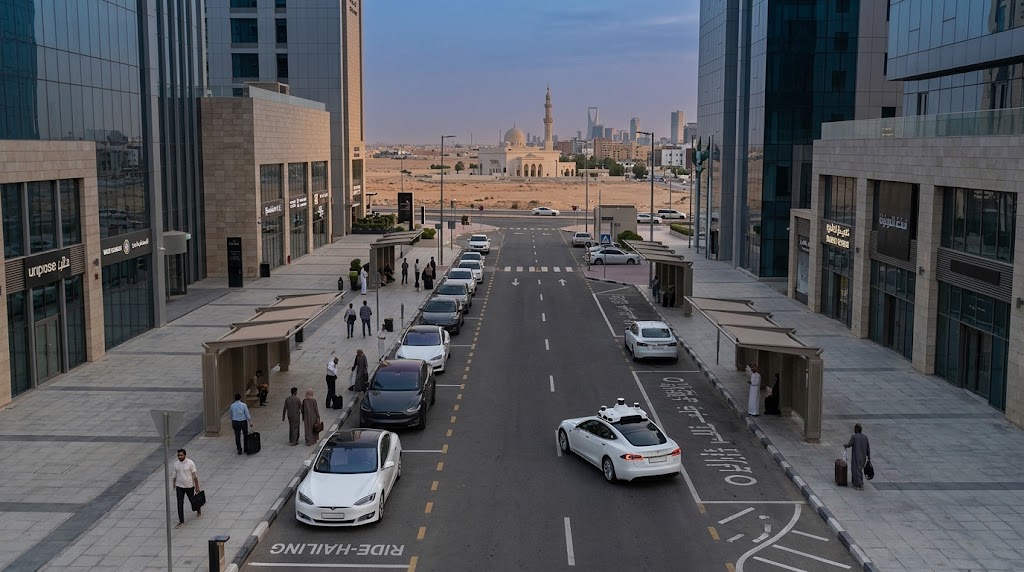
Saudi Arabia is consulting on regulatory amendments that would allow autonomous passenger vehicles to be offered through app-based transport intermediaries, but the proposal is not yet a final rule.
Saudi Arabia is preparing the regulatory layer that could let an autonomous car appear inside the same app ecosystem currently used to book conventional rides.
The Transport General Authority has proposed amendments to the executive regulation governing passenger transport mediation through electronic applications.
The stated objective is to allow autonomous passenger transport services to be provided through that activity.
But the amendment is still under consultation.
The consultation closes on October 1
The proposal was released for public and industry feedback in September.
Stakeholders have until October 1 to submit comments.
That means the draft should not yet be described as an effective final rule.
Consultation is part of the rulemaking process, not the end of it.
The change is about the platform layer
Saudi Arabia is not simply considering whether autonomous vehicles can exist on public roads.
This proposal addresses how autonomous passenger services could connect to the digital intermediary layer used to match passengers with transport.
That matters commercially because consumer access often depends on whether a technology can plug into familiar booking and payment systems.
A regulatory pathway does not mean immediate availability
Even if the amendments are adopted, app-based regulatory permission would not automatically mean autonomous rides become available across Saudi cities overnight.
Vehicle approvals, operating licences, technical requirements, geographic permissions and safety conditions can sit at different stages.
The proposed amendment solves one part of that stack.
Public consultation can change Saudi draft rules
Saudi Arabia's National Competitiveness Center says government entities adopted more than 500 comments submitted through the Istitlaa platform during the first half of 2026.
Those responses led to changes including rewritten provisions, altered requirements, reduced penalties and modified scopes of application.
That makes the consultation stage worth watching rather than treating it as a procedural formality.
The commercial question comes after the rule
If autonomous vehicles can ultimately be integrated into licensed ride-hailing platforms, operators could reach passengers through existing demand channels rather than building entirely separate booking ecosystems.
The more important question will then become which platforms, vehicle operators and cities are approved first.
What Arabian Current is watching
Watch for the final amendment after consultation, any changes to the draft, the operational requirements imposed on platforms and the first licensed autonomous passenger services connected to consumer apps.
The strongest signal will be when regulatory text becomes an actual bookable ride.
App-based passenger transport regulation was designed around conventional vehicles and drivers.
The Transport General Authority has proposed amendments intended to accommodate autonomous passenger vehicles within the app-based mediation framework.
The consultation closes October 1, after which the final wording and implementation path will matter.
Show the record behind the claim.
Claims stay source-linked, with limits recorded.
Saudi public-consultation reporting confirms the purpose of the amendment and the October 1 closing date. The National Competitiveness Center separately reports that consultation feedback has resulted in substantive regulatory changes in other projects.
Material reporting is designed to retain the evidence behind the published claim.
Companies, regulators and projects can link back to persistent records.
Automation can assist discovery and extraction; publication authority remains editorial.
Open the evidence record.
3 linked sourcesSupport + limitations recorded.
01Core evidenceTransport General Authority: Amendment to Passenger Transport Mediation Regulation via Electronic Apps
Istitlaa consultation record via Bawadir
+
Transport General Authority: Amendment to Passenger Transport Mediation Regulation via Electronic Apps
Istitlaa consultation record via Bawadir
Records the consultation objective of enabling autonomous passenger transport through app-based transport mediation and the October 1 closing date.
Bawadir mirrors the consultation record and is not itself the issuing transport regulator.
02Core evidence28 Projects Open for Public and Private Sector Feedback Through Istitlaa
Saudi Press Agency
+
28 Projects Open for Public and Private Sector Feedback Through Istitlaa
Saudi Press Agency
Confirms the Transport General Authority consultation, its purpose of enabling autonomous passenger transport through electronic-app mediation and the October 1 deadline.
Summarises the proposal rather than reproducing every proposed regulatory clause.
03ContextSaudi Competitiveness Center Strengthens Business-Related Legislative Environment
Saudi Press Agency
+
Saudi Competitiveness Center Strengthens Business-Related Legislative Environment
Saudi Press Agency
Shows that public consultation feedback led Saudi government entities to modify more than 500 provisions or requirements during the first half of 2026.
Provides general consultation-system context rather than an outcome for this specific autonomous transport proposal.
The story keeps moving.
Track final rule publication, platform obligations, autonomous vehicle licensing conditions, approved cities and first commercial integrations.
Reporting with a visible evidence trail.
Arabian Current reporting is built around human editorial authority, source-linked claims and visible evidence trails.