
Emirates Is Treating Aviation AI as a Physical Systems Problem
ForsaTEK 2026 is putting physical intelligence, adaptive mobility, 3D printing and agentic AI into the same aviation programme. The more useful signal is that Emirates is increasingly treating AI as something that must operate inside real travel systems, not just software.
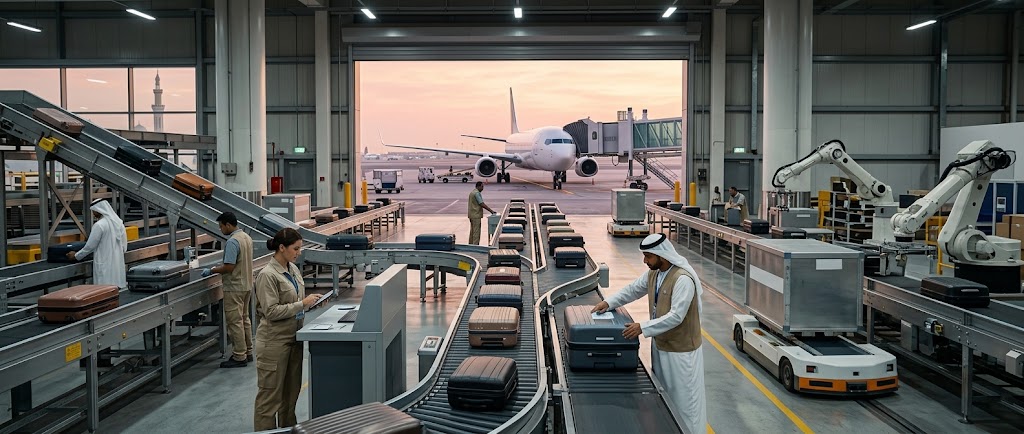
ForsaTEK 2026 shows Emirates grouping agentic AI, physical intelligence and operational technologies into the same aviation innovation programme, shifting the conversation from software demos toward systems that interact with the physical travel experience.
Aviation is one of the places where artificial intelligence stops being an abstract software story very quickly.
At ForsaTEK 2026, the Emirates Group's technology and innovation programme running on September 21 and 22, the agenda combines agentic AI with physical intelligence, logistics automation, adaptive mobility, quantum computing and in-house 3D printing.
That mix matters because an airline cannot transform the customer experience only by adding another chatbot. Technology has to interact with baggage, aircraft, airport operations, staff and passengers in the physical world.
Physical intelligence is moving into the aviation conversation
One of ForsaTEK's three headline themes is Agentic & Physical Intelligence in Motion.
The second-day programme includes a Hyundai Motor Group masterclass on future logistics automation and adaptive mobility, while dnata technical services is presenting work around one year of in-house 3D printing.
Those are very different technologies, but they share one operational challenge: software has to produce a reliable result in a physical environment.
The airport is not supposed to become a robot box
Speaking at ForsaTEK, UAE Minister of State for Artificial Intelligence Omar Sultan Al Olama argued that airports should not simply replace people with AI and robots.
His point was that technology can remove friction while humans remain important where service, judgment and reassurance matter.
That creates a more useful test for experiential technology than asking whether an airport uses AI. The question becomes which parts of the journey should become autonomous, which should remain human and how the handoff between the two feels to the passenger.
A showcase is not deployment evidence
ForsaTEK's agenda demonstrates where Emirates is directing attention and which technology categories are entering the operational conversation.
It does not establish that every showcased concept has reached production, generated savings or improved the passenger experience.
The next evidence needs to come from systems that leave the showcase floor: baggage automation used routinely, printed components entering approved workflows, autonomous mobility operating at scale or AI systems handling real passenger tasks.
What Arabian Current is watching
Watch which ForsaTEK projects become named operational deployments, particularly in passenger experience, baggage, logistics automation, physical AI and airport mobility.
Much of the airline AI conversation centred on digital assistants, analytics and software automation.
Emirates is explicitly grouping physical intelligence, adaptive mobility, logistics automation, 3D printing and agentic AI inside the same innovation programme.
The meaningful evidence will be which technologies move from showcases and masterclasses into routine airport, airline and passenger operations.
Show the record behind the claim.
Claims stay source-linked, with limits recorded.
The official ForsaTEK programme establishes the technology themes and sessions. Reporting from the event establishes the UAE minister's distinction between automation and retaining human service. Neither source proves that every showcased technology has entered production.
Material reporting is designed to retain the evidence behind the published claim.
Companies, regulators and projects can link back to persistent records.
Automation can assist discovery and extraction; publication authority remains editorial.
Open the evidence record.
2 linked sourcesSupport + limitations recorded.
01Core evidenceForsaTEK 2026
ForsaTEK
+
ForsaTEK 2026
ForsaTEK
Confirms the September 21-22 Emirates Group event, its Agentic & Physical Intelligence in Motion theme and sessions covering logistics automation, adaptive mobility, 3D printing, quantum computing and agentic AI.
The programme describes themes, showcases and masterclasses but does not establish that every technology discussed has reached operational deployment.
02Supporting evidenceUAE minister says airports won't be replaced by AI, humans still at the forefront
Khaleej Times
+
UAE minister says airports won't be replaced by AI, humans still at the forefront
Khaleej Times
Reports Omar Sultan Al Olama's ForsaTEK comments that aviation should use AI and robotics while retaining humans where service requires them.
The minister's comments describe an approach to technology adoption and do not measure the performance of specific Emirates deployments.
The story keeps moving.
Track named passenger-facing pilots, baggage and logistics automation, physical AI deployments, 3D-printed aviation workflows and measurable operational results.

Reporting with a visible evidence trail.
Arabian Current reporting is built around human editorial authority, source-linked claims and visible evidence trails.